
Surveillance that moves with your civil project.
Equipment often sits along miles of open alignment after hours. Mobile surveillance platforms with AI-assisted detection and 24/7 human monitoring can be placed to cover yards and work zones, then relocated as the work moves.
- Options where site power is limited
- Night coverage planning for yards
- Relocation planning as phases move
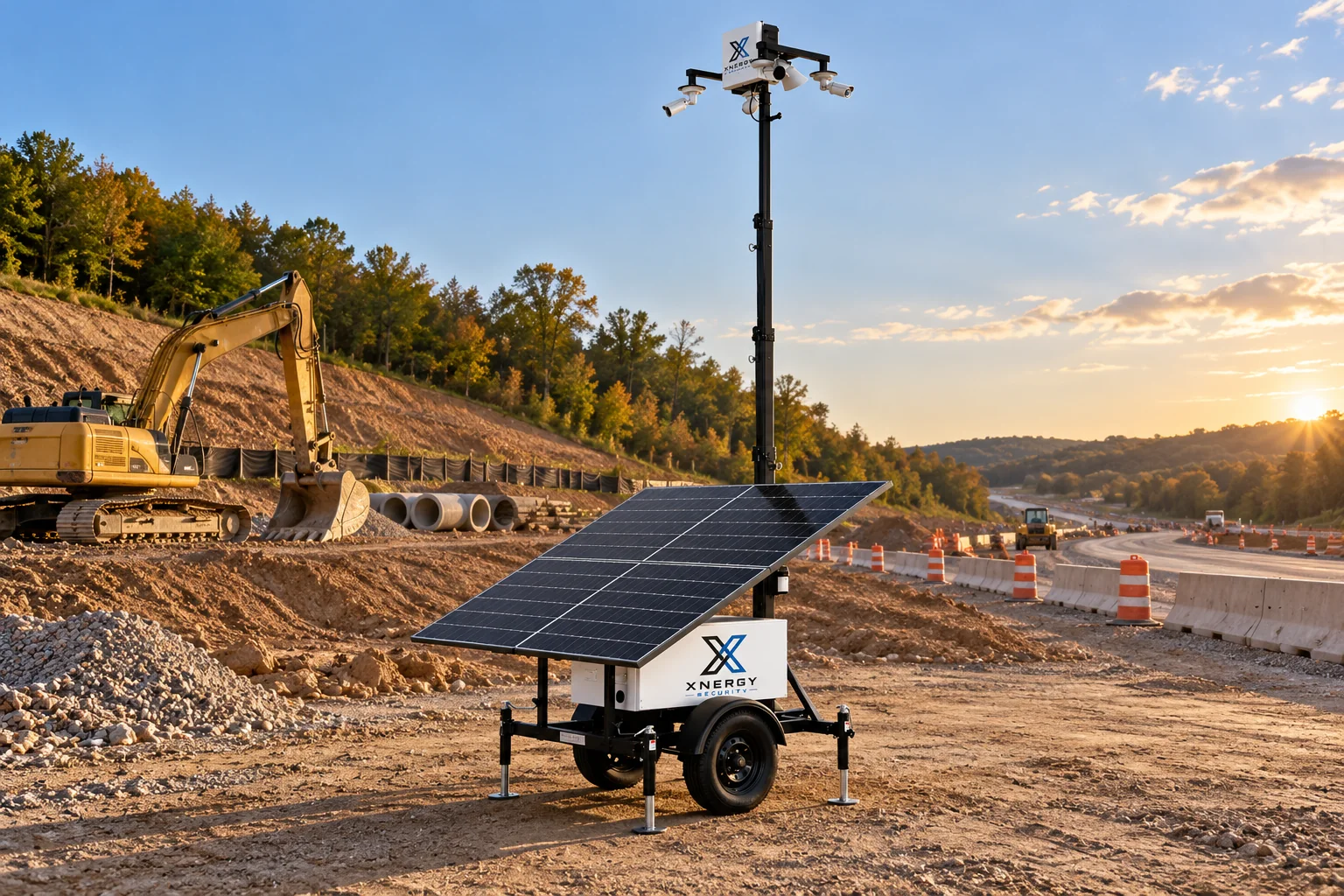
Long linear sites are hard to cover after hours.
Long stretches of open work
On civil work, plant and materials are often spread along the alignment, with laydown areas that change as phases advance.
Fuel, tools, and parked plant
Fuel, small tools, and attachments are common targets on open sites, and a loss can affect the next day's production.
Schedule pressure
If a machine is damaged or missing in the morning, the crew plan for that day can slip.
Budget for each guard post
The calculator below shows how rate and schedule affect your guard budget. It is a starting point for comparing scopes, not a savings promise.
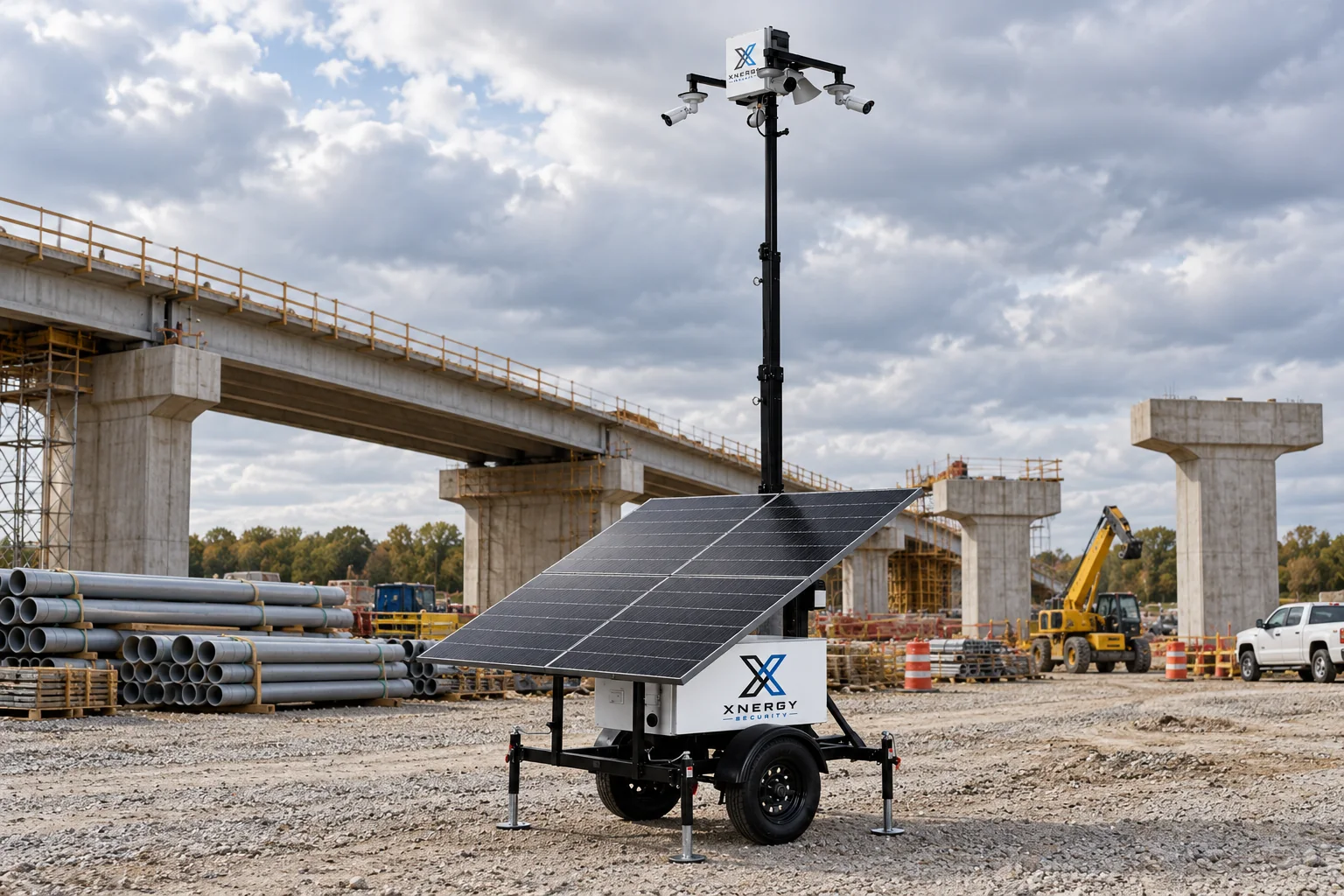
Spot activity. Give operators a way to respond.
During the assessment, the team reviews lighting conditions, camera placement, and where detection coverage is needed for yards and active zones.
AI-assisted detection flags activity for review, and monitoring staff review events before acting under the response protocol.
When authorized, operators can use remote voice intervention to advise that the area is monitored and ask the person to leave.
If activity continues, the team follows the escalation steps agreed with you and keeps a record of events for your review.
Contacts, operating hours, authorized activity, and escalation steps are agreed before deployment.
This workflow is confirmed with your team during setup.
Built for sites without infrastructure.
Solar and cellular options
Where site power is not available, solar and cellular configurations can be considered, subject to site conditions confirmed in the assessment.
Coverage for dark conditions
The assessment reviews lighting, placement heights, and camera positions needed for night work zones and laydown areas.
Handling wildlife and passing traffic
AI-assisted detection helps filter routine motion, and monitoring staff review flagged events under the agreed protocol.
Relocation as phases advance
Mobile platforms such as the XS-MSU Pro solar trailer and MSU Mini compact enclosure can be repositioned as the alignment moves, with placement reviewed each time.
Support for the production plan
Include parked equipment, fuel storage and changing laydown yards in the coverage review, so your team knows where monitoring is focused.
Records for project stakeholders
Reporting and footage retention options are confirmed with the team, so supervisors have a record to share internally as needed.
Comparing patrol and monitored surveillance.
Patrol services provide physical presence, access control, and on-site intervention. Xnergy provides remote review, voice intervention, and notification under an agreed protocol.
Request a site assessmentA practical comparison starts with scope. Use your current patrol schedule as a starting point, then review camera placement, monitoring coverage, and duties that still need someone on site.
What civil contractors ask us
Answers to common questions about how Xnergy Security works.
Mobile platforms are made to be repositioned, so placement and relocation timing are planned around your phases and laydown moves.
Solar and cellular configurations are reviewed for each location, subject to site conditions such as sun exposure and signal along the route.
AI-assisted detection helps reduce routine motion alerts, and monitoring staff review flagged events before action is taken.
Operators can use remote voice intervention when authorized, then follow the escalation steps you set, which may include your contacts, a patrol service, or local law enforcement.
Scope, equipment options, availability, and timeline are confirmed with the team so coverage can align with mobilization through closeout.
Remote surveillance and patrols do different jobs. Monitoring provides remote review, voice intervention, and notification, while patrols provide physical presence, access control, and on-site intervention. The assessment reviews which duties still need someone on site.
Show us the alignment and work plan.
- ✓ Unit placement for zones and yards
- ✓ A relocation plan as the job moves
- ✓ Scope and pricing confirmed with the team
- ✓ Next steps agreed with your team