
Security that stays on watch.
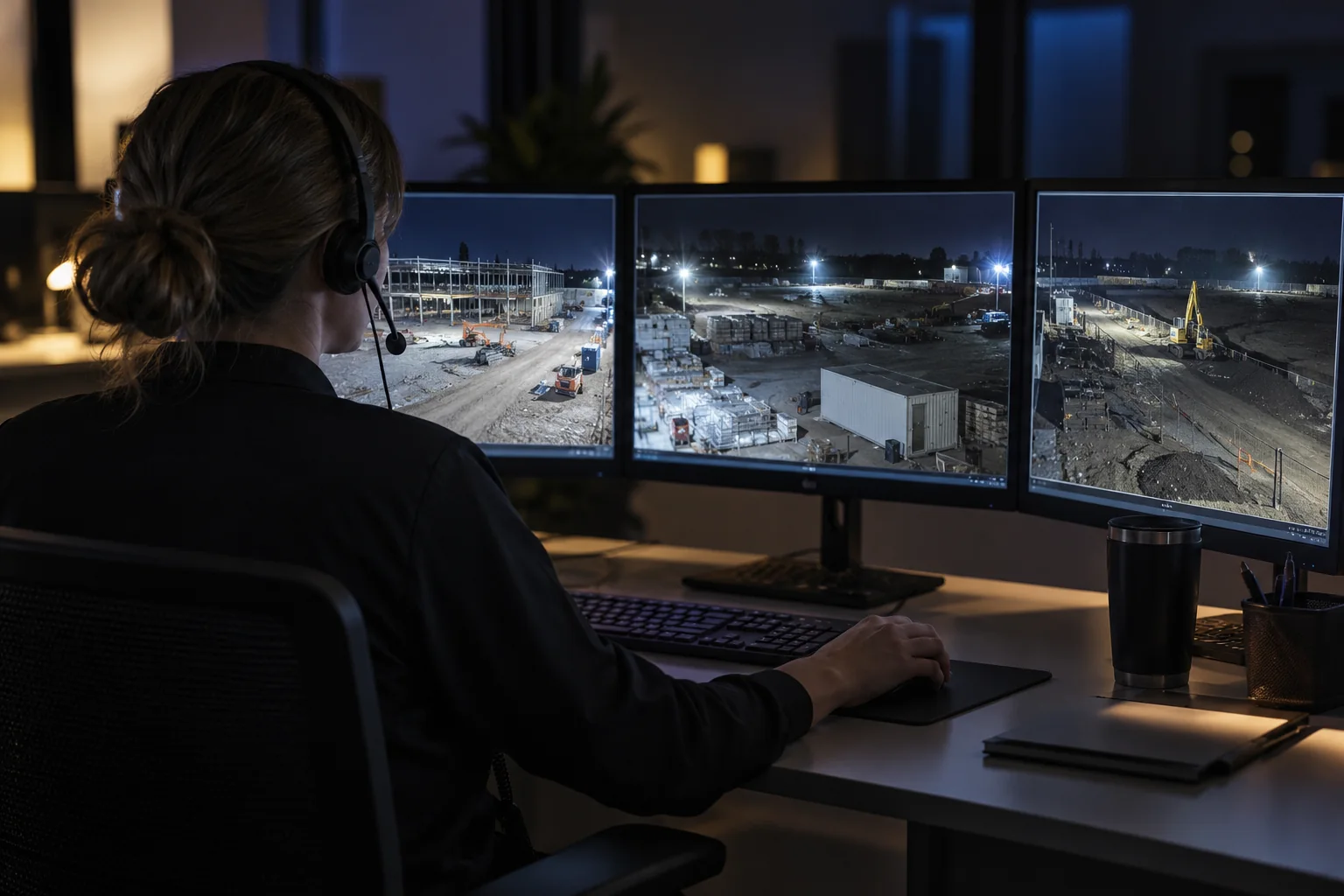
Keep eyes on gates, equipment and materials day and night. AI-assisted threat detection, human-reviewed alerts and remote voice intervention help your team respond to suspicious activity.
Cameras, AI-assisted analysis and human monitoring bring your site into focus.
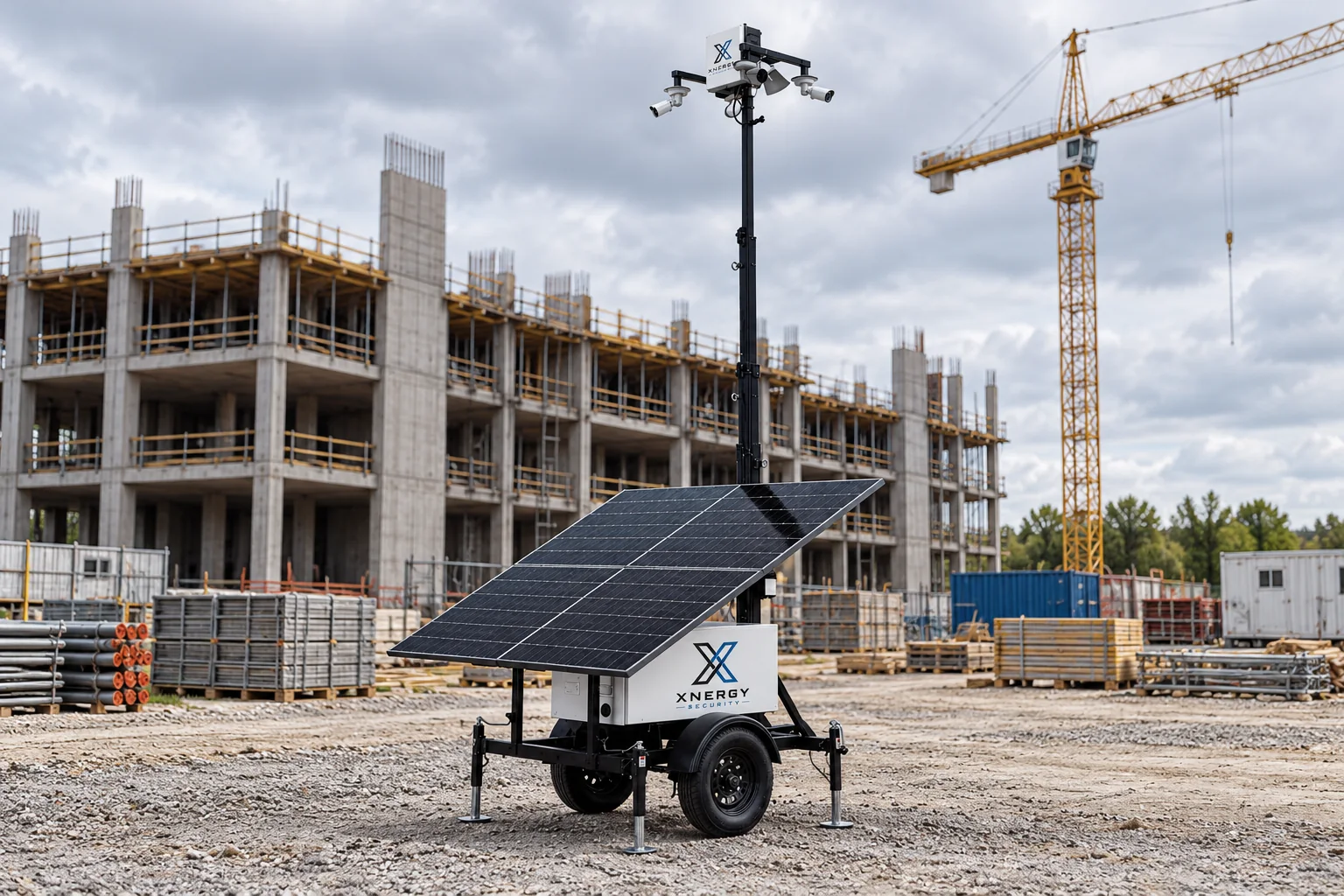
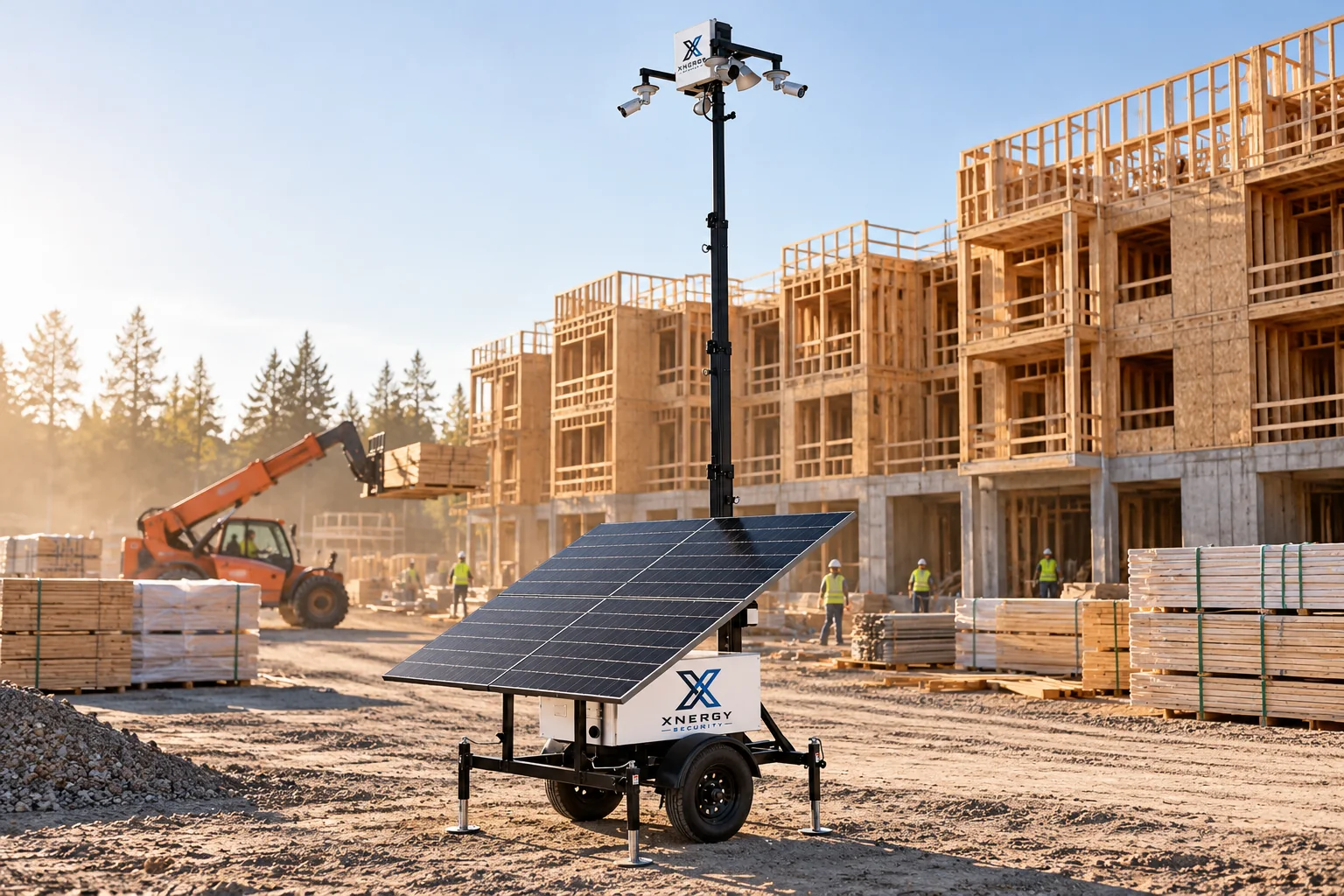
Keep eyes on gates, equipment and materials day and night. AI-assisted threat detection, human-reviewed alerts and remote voice intervention help your team respond to suspicious activity.
Use video and AI-assisted observations to highlight potential hazards and OSHA-related concerns for your safety team to review. Focus the analysis on the visible conditions and work areas that matter to your site.
Analyze worker and equipment activity to understand waiting, congestion and handoffs. Use recurring patterns to improve coordination, planning and how work gets done.
A straightforward process to get you up and running.
We learn about your site, goals and key areas to monitor.
We configure camera placement and a monitoring plan for your site.
Get visibility into activity, potential hazards and workflow between visits.
Security is one part of the picture. Review your current guard schedule alongside the wider monitoring scope for your site.
Request a site assessmentPlan around what you need. Compare security coverage, safety observations and workflow reporting with us. Retained on-site duties are part of that conversation.
| On-site guard | Xnergy monitoring | |
|---|---|---|
| Coverage | On-site presence and patrol | Remote review of configured camera views |
| Overnight | Stays on site for patrol and response | Human review of alerts |
| When activity is found | Can check in person and contact per post orders | Remote voice intervention and notifications per protocol |
| Record | Written reports per post | Video and reporting options to confirm |
| Staffing | Managed through staffing and supervision | Monitoring under the agreed protocol |
| Scope and cost | /mo | Compare based on assessment scope |
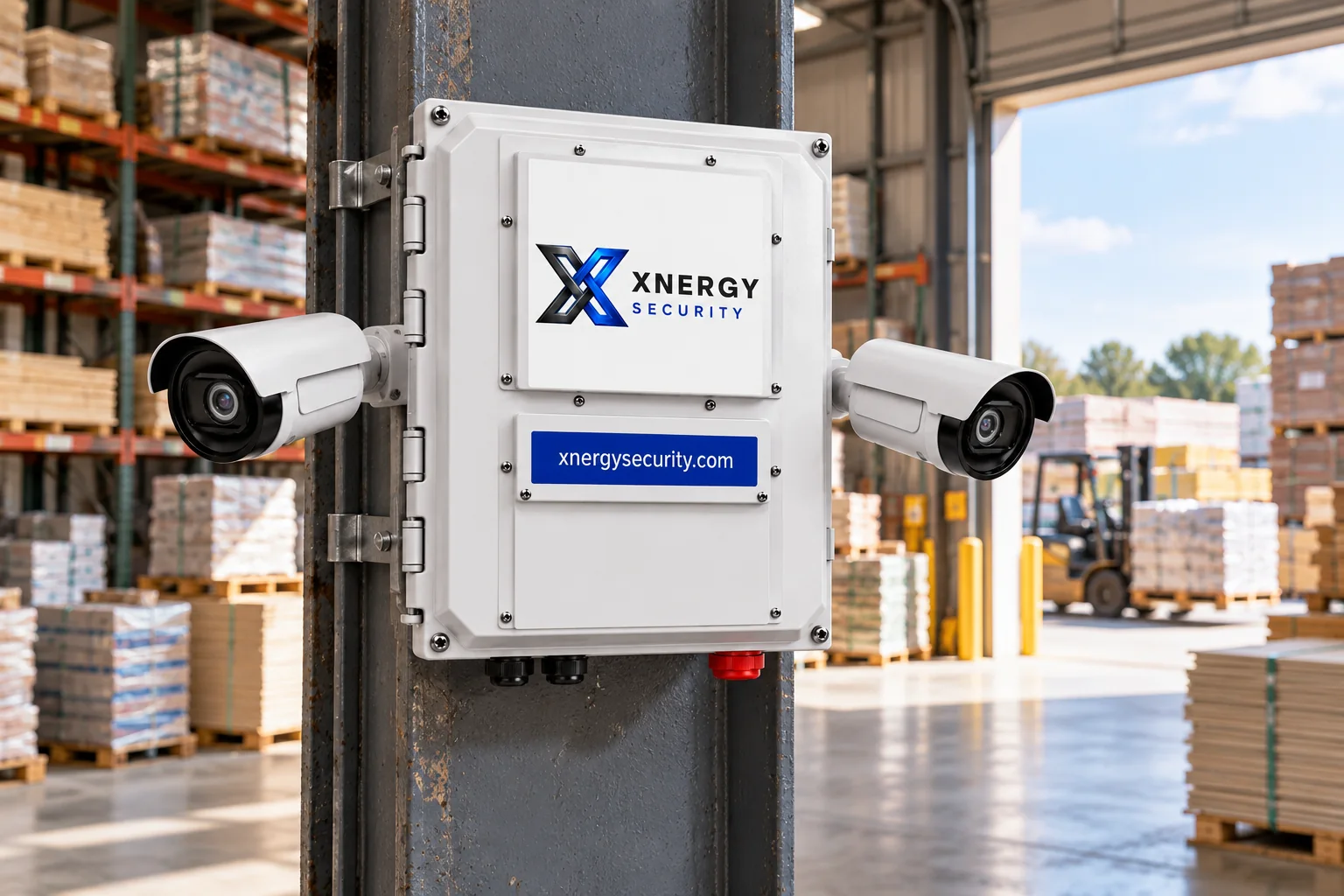
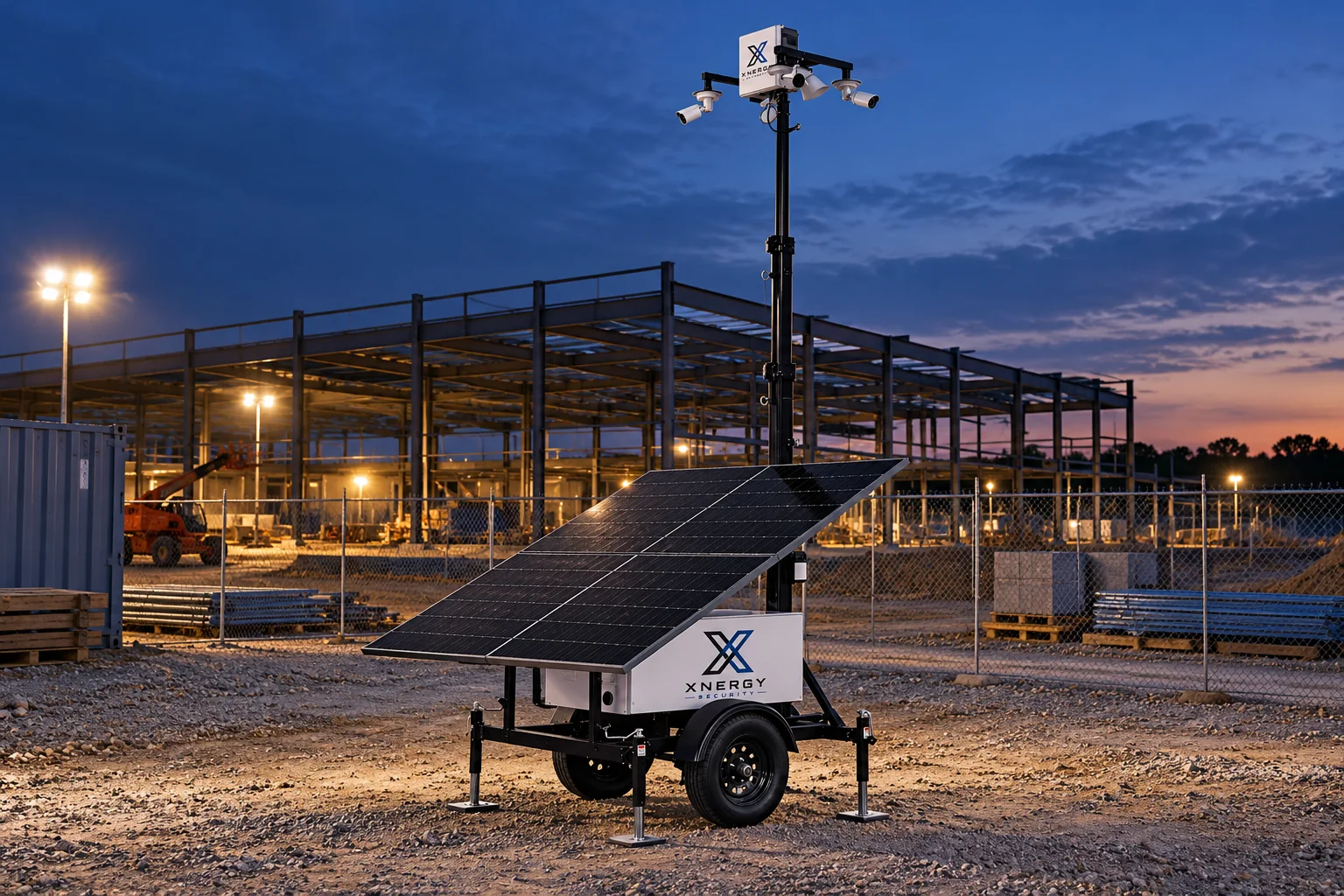
Use mobile surveillance platforms for broad site views and compact units where the job needs a closer look. Plan camera angles, connectivity and power around security risks, visible safety concerns and active work areas.
Answers to common questions about how Xnergy Security works.
AI-assisted video review can highlight potential hazards and OSHA-related concerns for your safety team to check. Visible PPE or restricted-zone observations depend on the agreed camera views and analytics configuration. A flag is not a formal OSHA finding, and monitoring does not replace inspections, training or a qualified safety professional. OSHA hazard-identification guidance
Review crew activity, equipment movement, waiting time and recurring workflow bottlenecks. We agree the questions, available analytics and reporting during the assessment. The focus is better-coordinated work—not automated personnel decisions.
No. Daytime visibility helps your team review activity, safety concerns and progress while work is happening. After-hours monitoring adds security coverage when crews leave.
No. Guards provide physical presence and response, and your safety team owns inspections and corrective action. Xnergy adds remote visibility, AI-assisted observations and monitoring under an agreed plan.
Share the site location, project timeline and the security, safety or workflow questions you want answered. We review camera positions, solar or site power, connectivity and analytics requirements before recommending a configuration.
Viewing permissions, camera locations, reporting and footage retention are agreed with your team. Plan appropriate worker notices and site policies before deployment; do not use observations as automatic employee performance scores.
Pricing depends on the site layout, equipment, analytics, monitoring and project duration. The assessment defines what is included before scope, price and terms are confirmed.
No. Camera views, lighting, connectivity and the configured analytics affect what can be observed. AI can miss activity or flag it incorrectly. Human review, on-site inspections and an agreed response plan remain essential; no system guarantees prevention.