
Watch the site. Keep a record your team can use.
Plan surveillance around gates, staged equipment and the records your project team needs. Share your security specification so we can review it with you.
- Reporting and footage retention to confirm
- Solar and cellular options subject to site conditions
- Camera placement and response protocols for your site
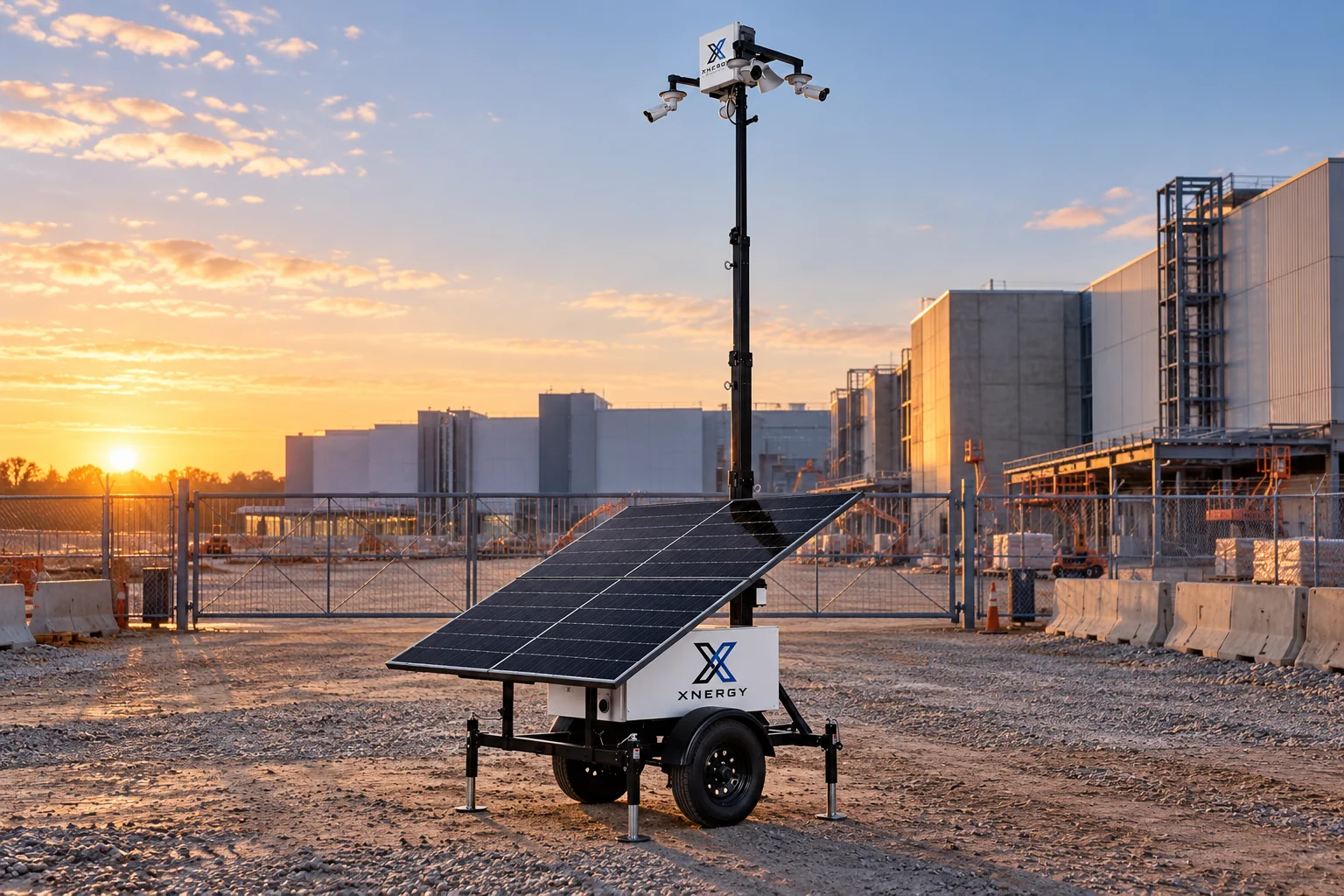
Why data center projects plan security early
Records matter after the fact
Quiet nights rarely come up. Teams usually need to look back at a specific date to check a delivery or access event.
Long-lead equipment arrives early
Switchgear and other long-lead gear often sits in laydown months before the building is enclosed.
Schedule impact is the concern
If that gear is damaged or missing, energization can slip. The assessment sets monitoring priorities around laydown and schedule risk.
What happens after an alert
- 01 · Detect
AI-assisted detection flags activity in the configured camera areas for review.
- 02 · Review
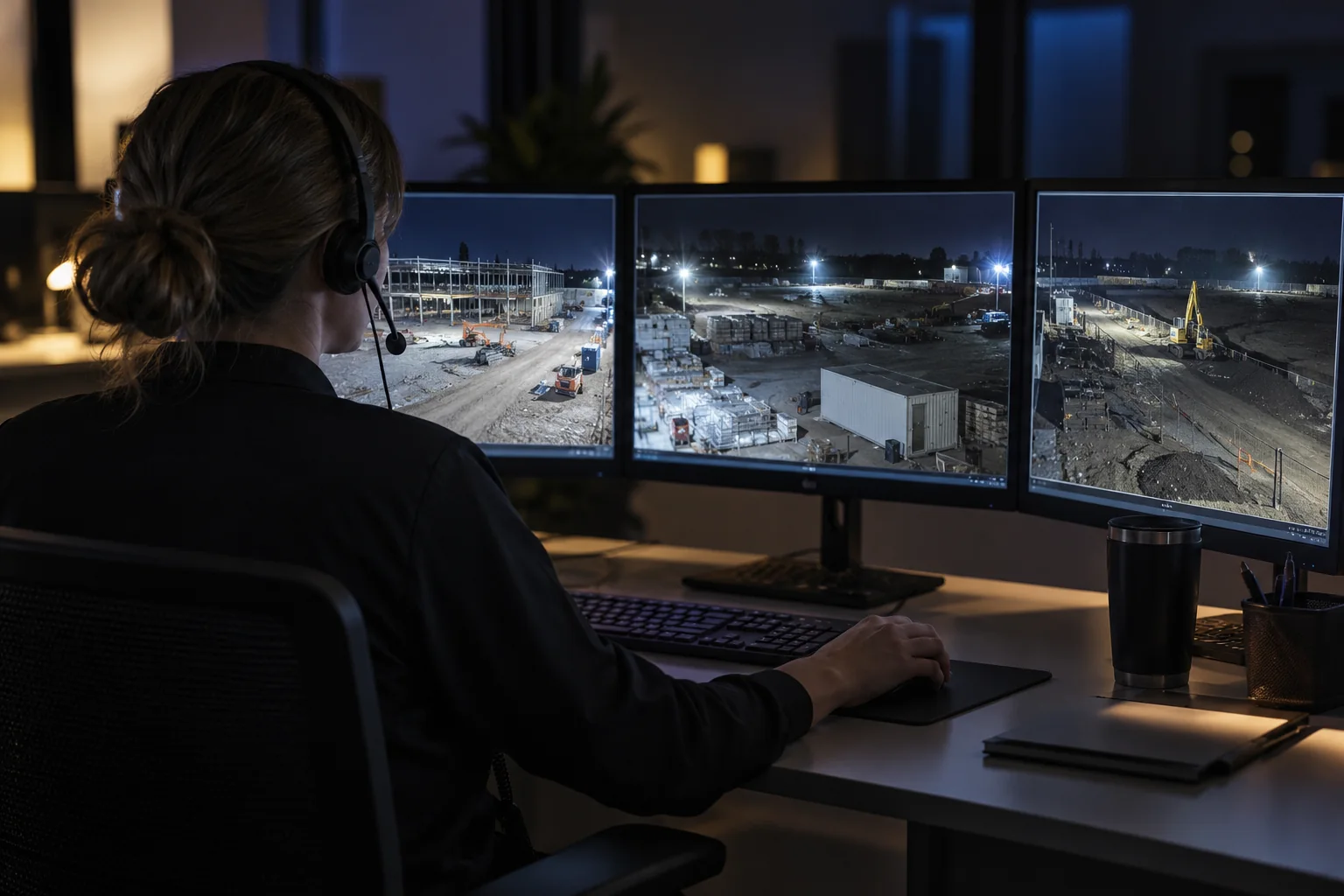
A monitoring operator reviews the alert with the available video and site context.
- 03 · Intervene
The operator follows the site protocol for remote voice warnings and notifications.
- 04 · Escalate
The response plan lists who is contacted and when on-site or physical response is needed.
Coverage planned around your requirements
Planned to your specification
We review your spec and site drawings with you to plan camera placement and monitoring. Confirm final scope with the team.
Video with context
Reviewed events include video, timestamps and the action taken, based on the agreed reporting.
Entrances and gates
Tell us what vehicle and gate activity you need visible at each entrance so we can plan views and placement in the assessment.
Plan before mobilization
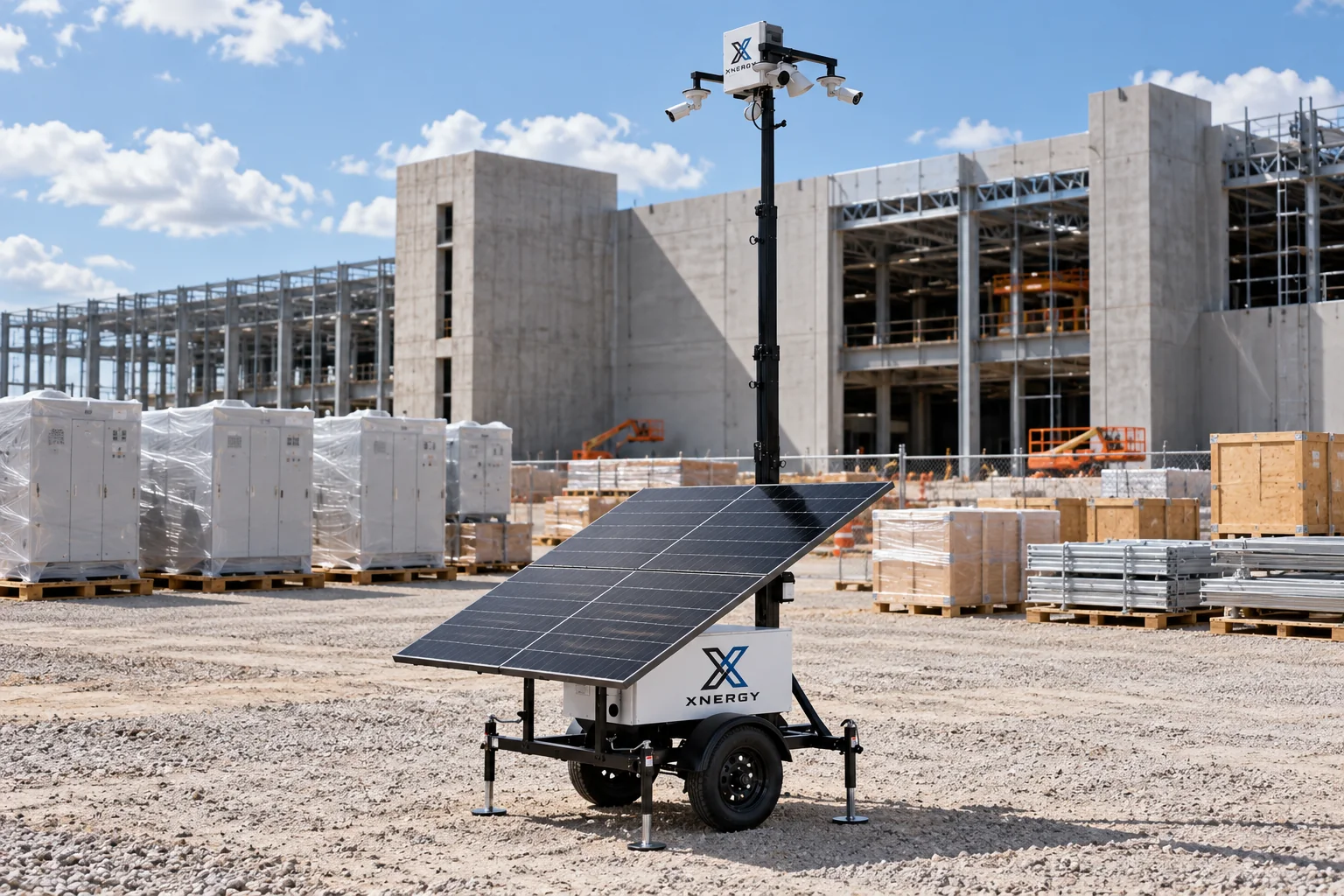
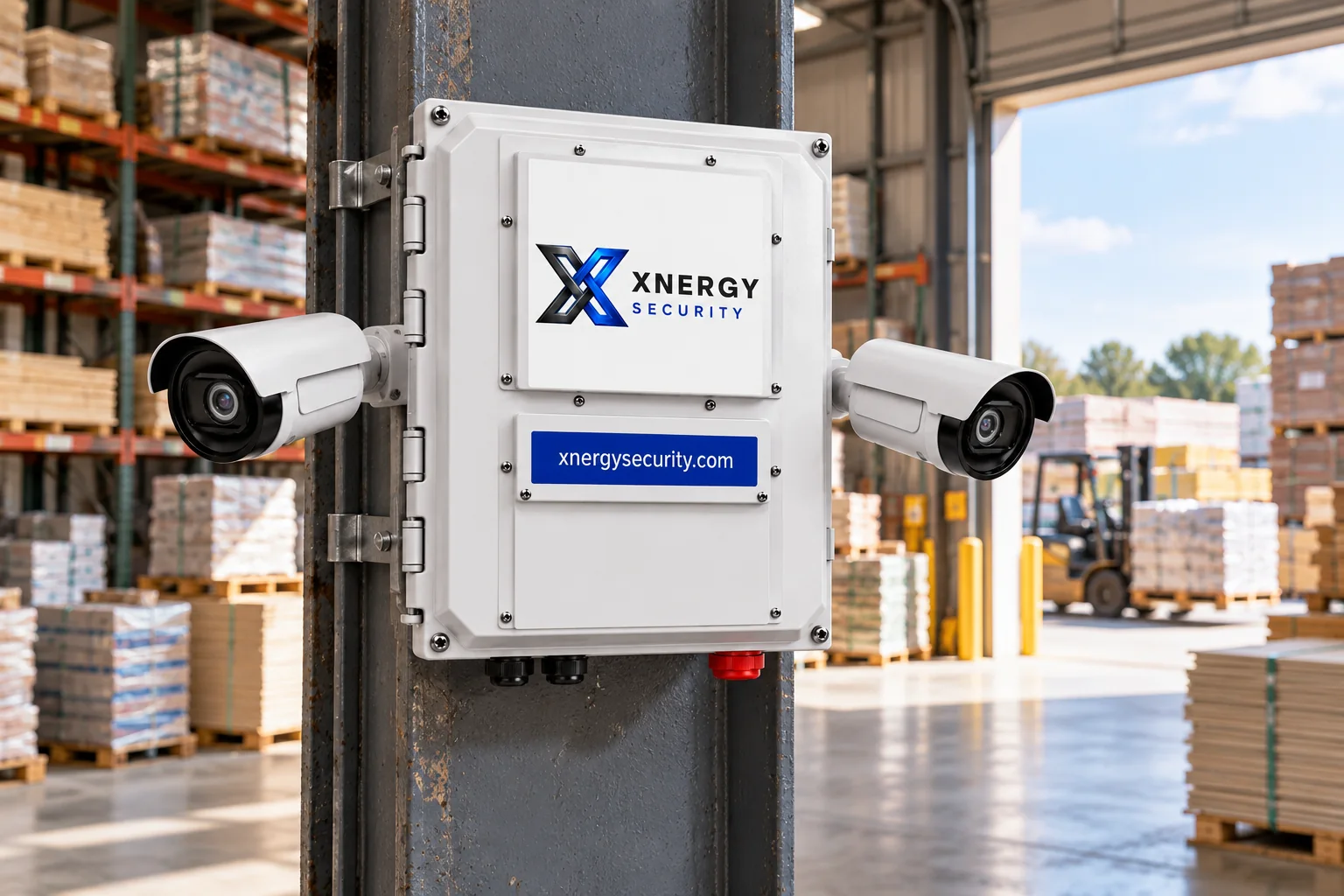
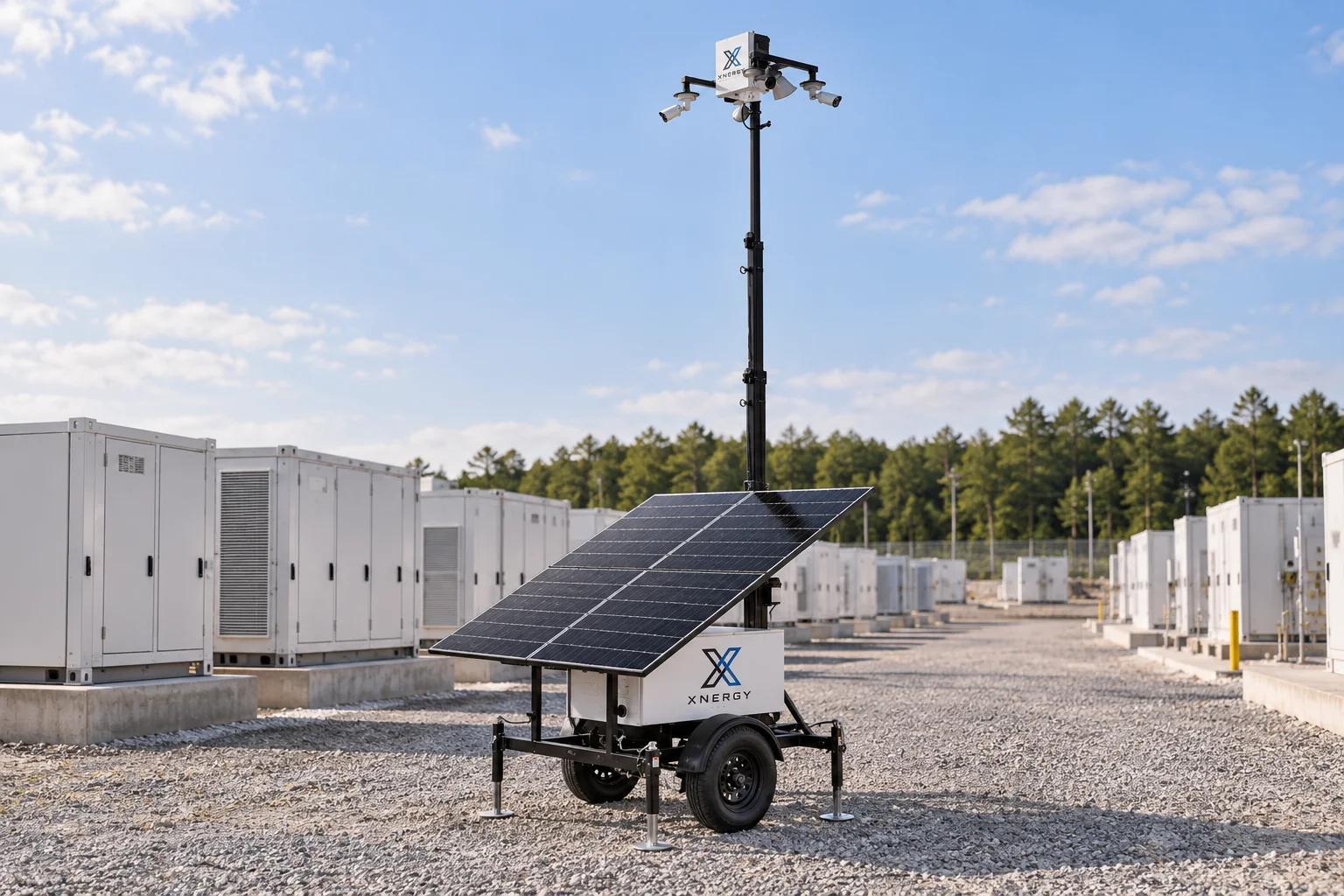
Mobile platforms such as the XS-MSU Pro solar trailer and MSU Mini compact enclosure offer solar and cellular configurations subject to site conditions.
Across the campus
Placement can address perimeter sections, gates and laydown areas included in the agreed scope.
Restricted areas during work hours
Detection areas can be set for restricted zones during live electrical or fit-out work, following the agreed plan.
Keep guards where you need people on site
Guards handle patrols, access control and hands-on response. Monitored surveillance handles detection review, voice intervention and notification for the areas in scope.
Request a site assessmentCompare scope side by side. Use your current guard schedule as a starting point to review camera placement, monitoring and duties that still need someone on site.
Common questions
Send your specification and we will review it with you before planning camera placement and monitoring.
Keep gate staff for access and on-site duties. Surveillance can cover perimeter sections and night hours included in the scope.
Identify who needs access to footage and reports. Permissions, reporting and retention requirements should be agreed before deployment.
Tell us about your gate, barrier and access systems in the assessment so we can discuss what coordination is practical.
Solar and cellular configurations are available subject to site conditions, which we review for layout, power and connectivity.
You receive detection details, related video, actions taken and notification records based on the agreed reporting.
A plan to review with your team
- Your spec and site layout reviewed
- Scope, equipment options and price to confirm with the team
- Site assessment covering layout, power, connectivity and timeline