
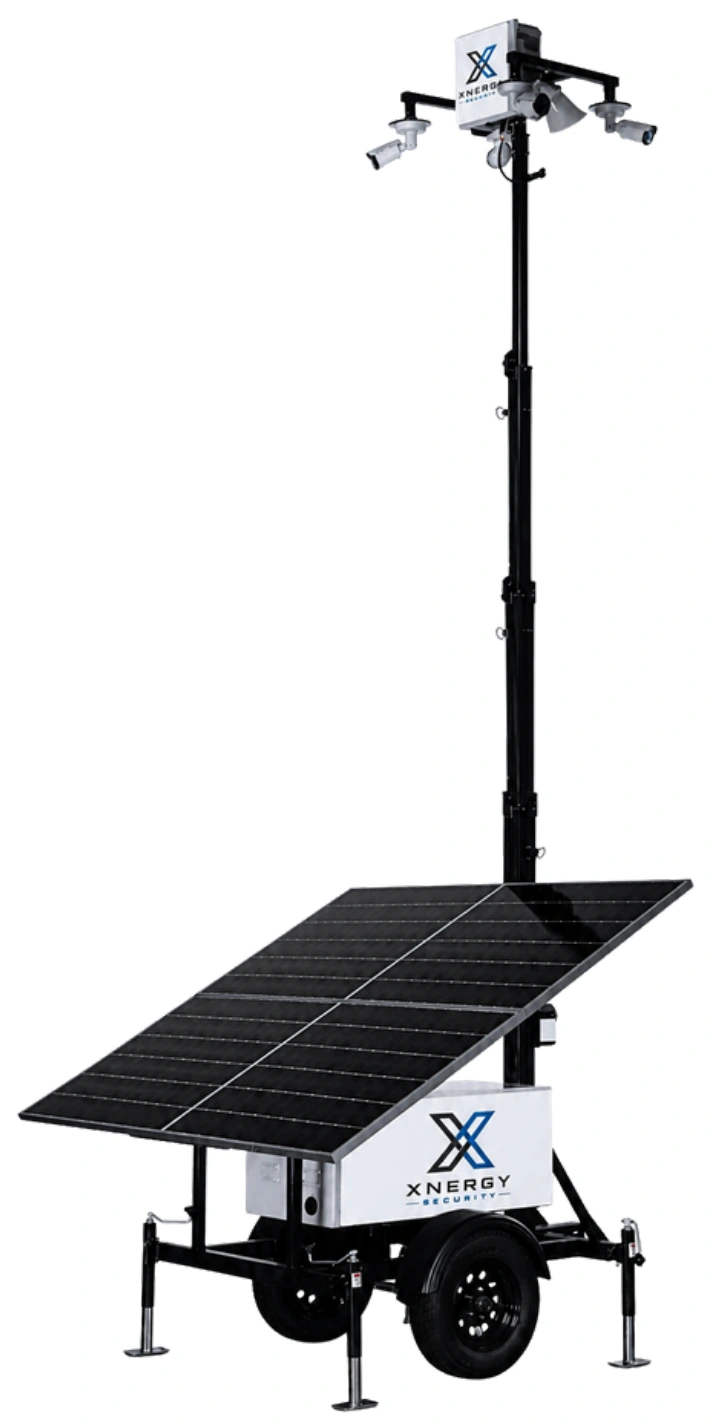
XS-MSU Pro
A mobile solar surveillance trailer for field environments, with camera and power options reviewed around your site requirements.
- Mobile trailer platform
- Elevated camera mast
- Solar-powered configuration
Construction-site surveillance with AI-assisted detection, 24/7 human monitoring and remote voice intervention.
Keep eyes on entrances, equipment and materials—with a response plan your team understands.
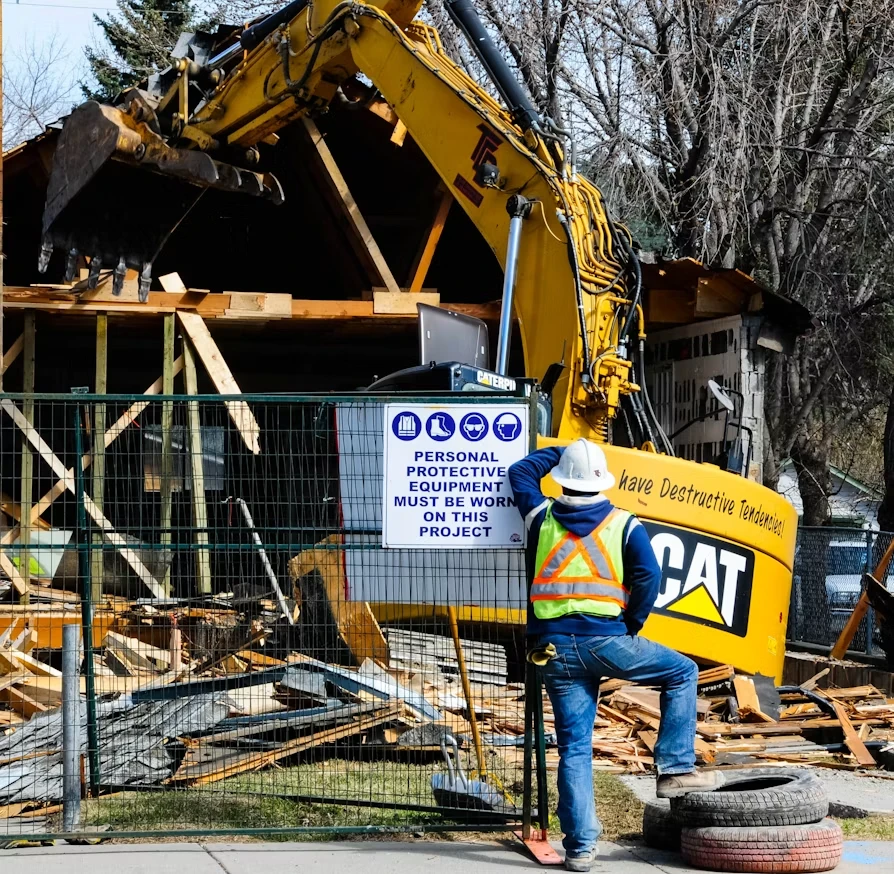
Plan around your site layout. Compare the Xnergy platforms below.
Tell us about your site.
Cameras provide visibility. Human review and an agreed response plan turn that visibility into a next step.
AI-assisted detection helps identify people, vehicles and activity in the areas your surveillance plan covers.
Monitoring professionals review alerts and site context to help distinguish routine activity from a potential threat.
Remote voice intervention and escalation follow the protocol agreed with your team. Physical response remains part of the site plan.
Remote surveillance does not guarantee prevention or replace every on-site duty. Coverage and response depend on the agreed configuration and site conditions.
A construction site changes. The surveillance conversation should start with your layout and priorities—not a one-size-fits-all camera count.
Talk through your siteFrom a mobile surveillance trailer to a compact enclosure, choose the platform around your site—not the other way around.
A mobile solar surveillance trailer for field environments, with camera and power options reviewed around your site requirements.
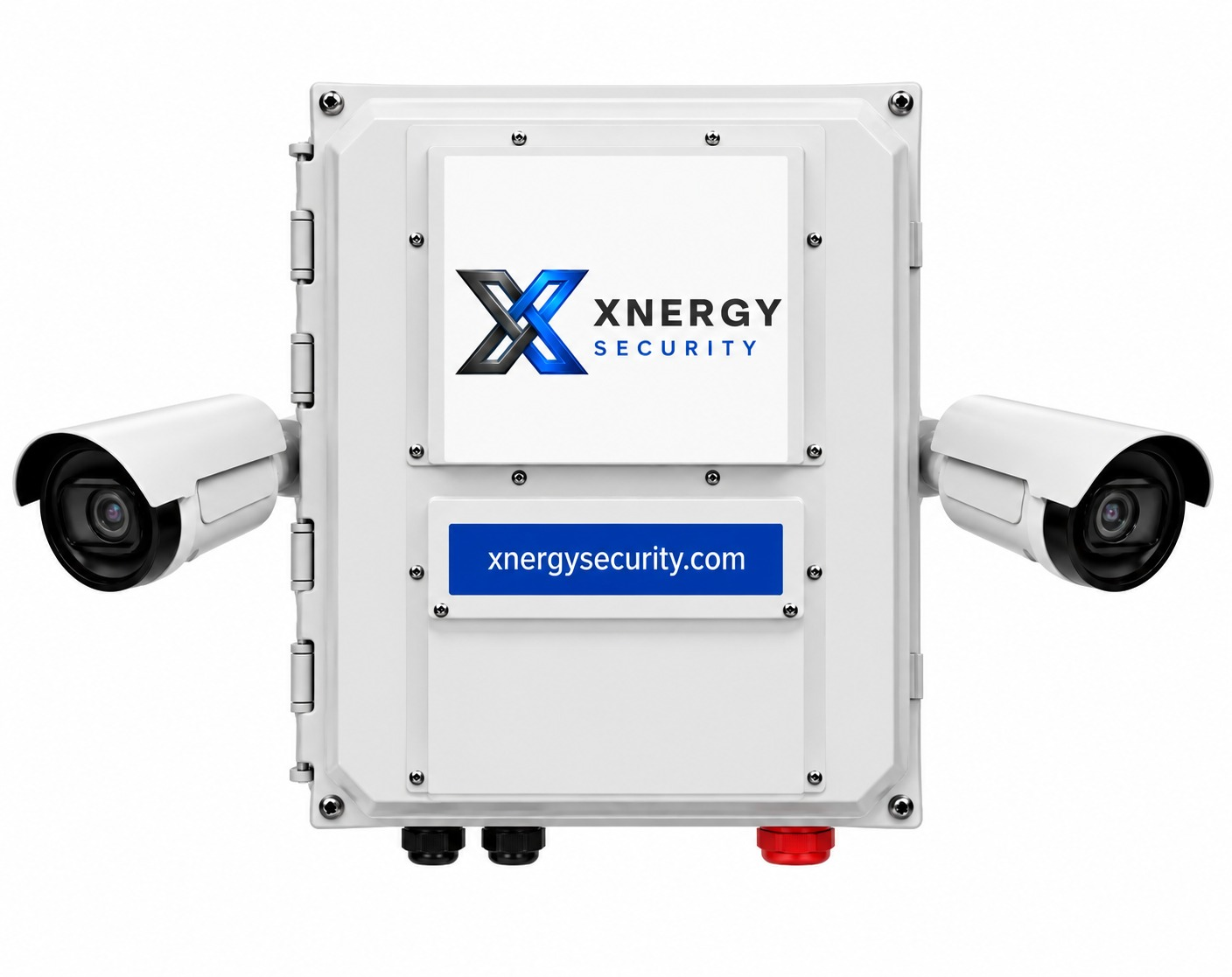
A compact surveillance enclosure with onboard storage and connectivity. Power and placement options are reviewed for the application.
Remote monitoring and on-site guards do different jobs. The right question is which duties need a person physically there—and which can be supported remotely.
Detection and video review in configured coverage areas
Patrols and access-control duties that require someone on site
Live voice intervention and stakeholder notification
Immediate physical intervention and emergency response
Visibility across agreed entrances and priority areas
Tasks outside camera coverage and other site-specific responsibilities
What about cost? Compare your guard schedule, retained duties and proposed surveillance scope. There isn’t a responsible universal savings percentage for every job site.
Explore an adjustable cost scenarioBudget, logistics and the “what happens if…” details belong in the conversation before deployment.
Pricing depends on the platform, number of units, monitoring scope, project duration and site requirements. Share your layout and timeline for a site-specific proposal, then compare it with the guard duties and hours you need to retain.
Not necessarily. Guards may still be needed for patrols, access control or immediate physical response. A site assessment helps separate those duties from what remote surveillance can support.
Tell us your project timeline and expected phases. Your proposal will define service duration, scope, change requests and cancellation conditions so you can review the commitment before signing.
The Xnergy team receives your inquiry and any supported attachments, then follows up to discuss the site and requirements. Sending the form does not place an order or confirm a deployment date.
Square footage alone cannot establish camera coverage. Buildings, blind spots, entrances, asset locations and viewing requirements all matter. Send a site plan so placement and platform options can be reviewed.
Cellular and solar configurations are available, but cellular service, sunlight, equipment load and backup requirements still need to be reviewed. The appropriate configuration depends on your location and operating conditions.
Power, backup and communications requirements are part of deployment planning. Conditions can affect operation; do not assume uninterrupted coverage in every outage or weather event. Discuss redundancy and escalation requirements before agreeing the scope.
Mobile platforms can be considered as the site evolves. Changes to camera positions, coverage priorities or access routes should be reviewed with the team rather than assuming the original layout still covers every area.
Xnergy combines AI-assisted detection with 24/7 human monitoring. Operators review events and site context; AI assistance does not mean every detection is a verified threat.
AI assists with identifying activity, while operators review events that require judgment. Detection rules and authorized activity should reflect your operating hours and site requirements. No system can promise zero false alarms.
Agree the response protocol during onboarding: contacts, notifications, remote intervention and when physical or emergency response is needed. Remote monitoring is not a promise of a particular police or on-site response time.
Storage and retention depend on your configuration. Identify who needs access, your required retention period and any project-specific handling requirements so these can be included in the proposed setup.
Have plans or a question that isn’t covered?
Request a site assessmentThese six examples are fictional, written to illustrate construction-team priorities. They are not real customer experiences, endorsements or evidence of results.
“What I’d value is one plan for our entrances, stored materials and after-hours schedule—not just another camera to check.”
“Having a person review an alert would help me understand what actually needs our site team’s attention.”
“I’d want the cost, the guard duties we keep and the response process explained together before making a decision.”
“Being able to share the site plan up front would make the scope conversation more useful than a generic equipment quote.”
“I’d ask who gets called, who can intervene on site and what happens when our normal contact is unavailable.”
“A consistent assessment process would help us compare projects without pretending that every site has the same layout.”
Bring the layout, priorities and timeline. We’ll help you work through the configuration and the response responsibilities.